
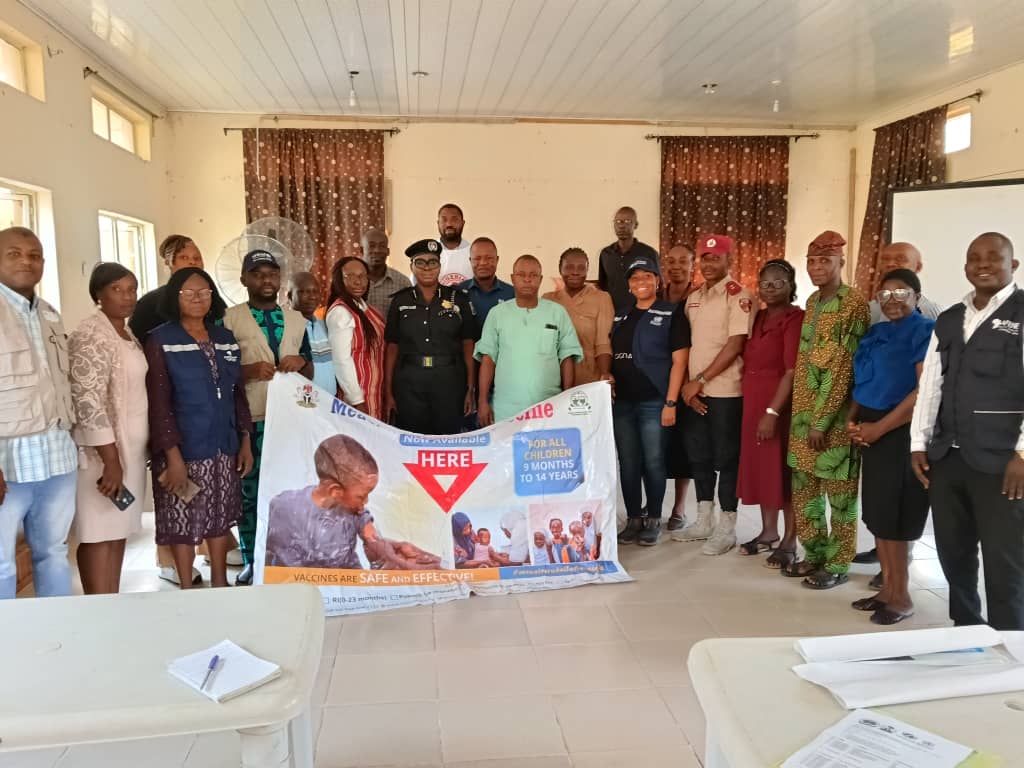
In other to close the immunity gap and control the Congenital Rubella Syndrome, the Ekiti State Primary Health care Development Agency, (EKSPHCDA) in conjunction with UNICEF, WHO and other partners have solicited the support of Ministries, Departments and Agencies (MDAs) in Ekiti State for effective implementation and administration of Measles- Rubella vaccine to children between the ages of 9 months and 14 years this January 2026.
In a one day stakeholders meeting with the officials of MDAs in the State held in Ado Ekiti on 13th January, this year, the Director, Disease Control and Immunisation, Dr Adeoye Olusegun said one of the reasons for summoning all the MDAs officials is to effect their input in the health system of Ekiti State and most importantly, in the successful implementation and administration of the Measles- Rubella vaccine, a 10- day programme kick starting in the state on the 27th January to February 7th, this year.
Dr. Adeoye who reeled out the objectives said, among the aims of the meeting is to introduce the MR Vaccine introduction Campaign and to discuss the objectives, strategies and timeline for the campaign.
Others include, to identify potential challenges and develop mitigation strategies and also, to clarify responsibilities and expectations from each MDA. The director stated that, if we are to look back into retrospect, we will realise that the mortality and morbidity resulting from vaccination preventable diseases in the past was very high, but now it is reducing.
Adeoye said further that despite the reduction, Nigeria still ranked among the highest globally where the vaccination preventable diseases is high. He stressed that to ensure that man does not go into extinct we must keep immunising our young ones because they are, our tomorrow.
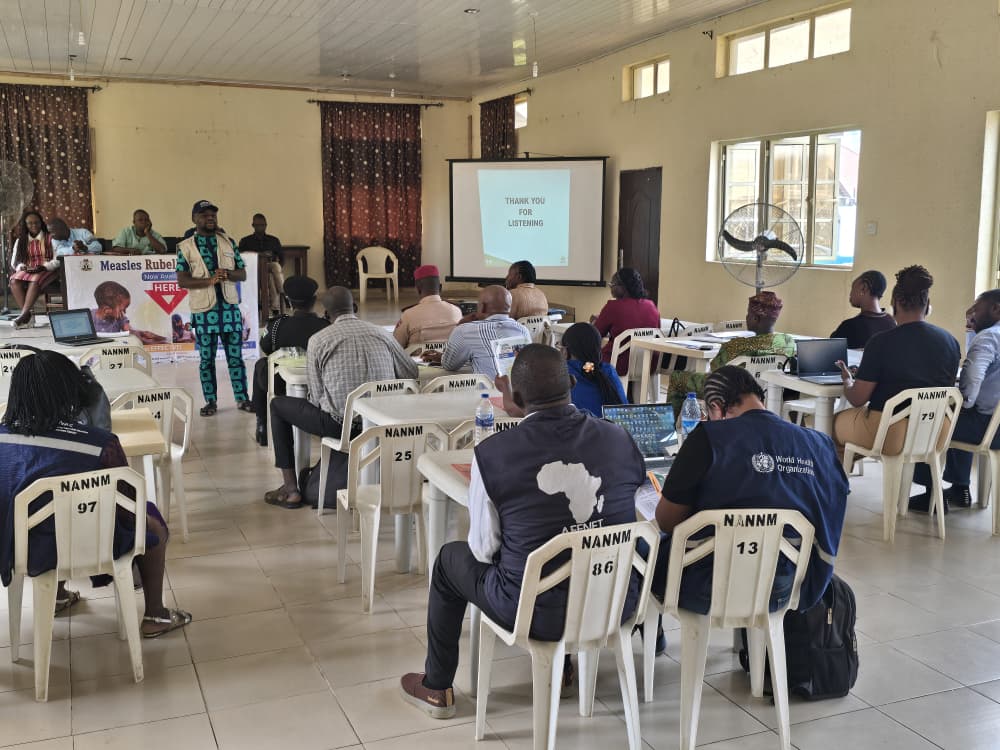
He said; “it is very germaine to know that to sustain mankind, we must take cognisance of all those diseases like measles and rubella affecting our children. We cannot do it alone and we can’t do it without you, therefore, it is a collective thing between the agency and MDAs in other to achieve our desired results.
“You will go back to you various MDAs and inform your organisations because you are stakeholders. It is all our efforts put together collaboratively, synergetically and symbiotically that can lead to the success of the campaign. That is why we all gathered here today to discuss on how we will be able to have an eventful Measles- Rubella campaign in Ekiti State.” He concluded.
The State Immunization Officer, Mrs. Ogunlola Omolabake, disclosed that the MR vaccine would be introduced into routine immunization in the third week of January, preceded by a 10-day statewide vaccination campaign. She explained that the campaign would target children aged 9 months to 14 years, after which the vaccine would become part of routine immunization for children at 9 months and 15 months as first and second doses respectively, replacing the existing stand alone measles vaccine.
Mrs Ogundola stated that the campaign targets 17% of Ekiti State’s total population, noting that achieving between 90% and 95% of this target would be considered a successful implementation. She added that both administrative coverage data and post-campaign surveys would be used to assess the effectiveness of the exercise.
On implementation strategies, she revealed over 749 officers have been deployed to all the Local Governments and LCDA’s in the state and that all the 317 health facilities offering routine immunization across the state would remain open throughout the campaign period.
In addition she said, mobile teams would be deployed to communities to set up temporary vaccination posts, while targeted outreach would be carried out in rural areas, factory settlements, Fulani camps, and security-compromised locations, in collaboration with security agencies where necessary.
The World Health Organization (WHO), representative in Ekiti State, Dr. Ebube Eronini, described the campaign as a critical intervention aimed at closing immunity gaps against highly contagious measles and rubella infections. She noted that the exercise would cover all communities and settlements in Ekiti State to ensure that no eligible child is left behind.
Dr. Eronini explained that measles, a highly contagious viral disease, can lead to severe complications such as malnutrition, blindness, encephalitis, and death, particularly among children under age five. She added that rubella poses serious risks to pregnant women, often resulting in congenital rubella syndrome, which can cause hearing loss, heart defects, and visual impairment in infants.
The acting State Health Educator in Ekiti,
Mrs Abimbola Daramola said the meeting with all the MDAs in the state is basically a collaborative and coordinative meeting to strengthen and strategize towards the forth coming measles- rubella vaccination campaign starting from 27th of January’s to 7th, February which is a 10 day activity.
She said further that the agency has to collaborate with them in other to have a hitch free exercise, noting also that MR vaccine like any other vaccines, is tested, safe and effective. She stressed that the vaccine is WHO pre-qualified and NAFDAC certified.
Daramola remarked that extensive advocacy and sensitization activities had already been carried out across all the 16 local government areas of the state. Stating that traditional rulers, religious leaders, school authorities, parent-teacher association, and education stakeholders have been engaged and have endorsed the vaccination exercise.
Among dignitaries present at the meeting include, the Director of disease control and Immunisation, Dr Adeoye olusegun, the State Immunisation Officer, Mrs Ogundola Omolabake, representative of National Primary Health care, Mr Afuye, Busayp, representative of UNICEF, WHO, Red Cross, Road Safety Police Force participants from all the MDAs and other important personalities.